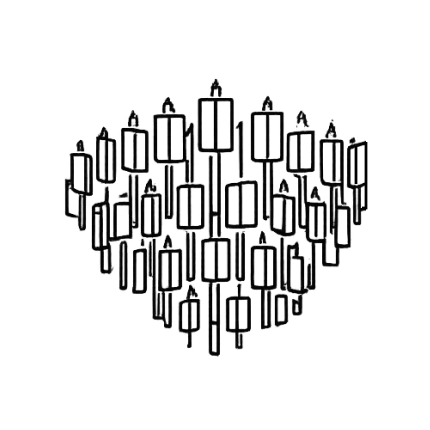
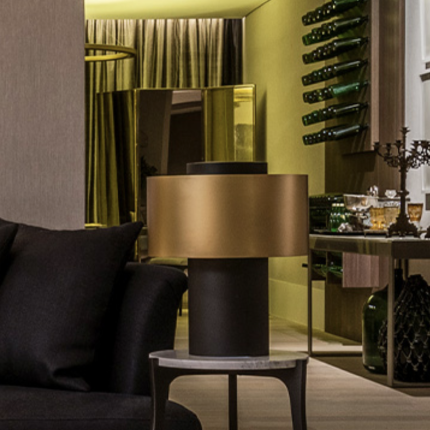
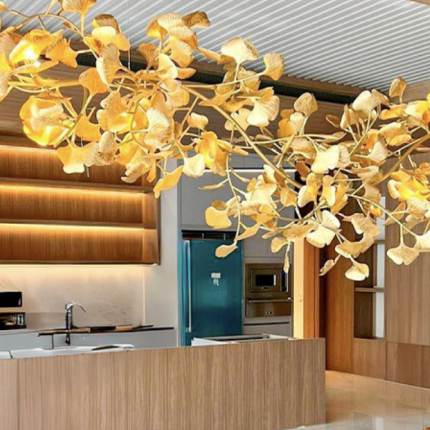
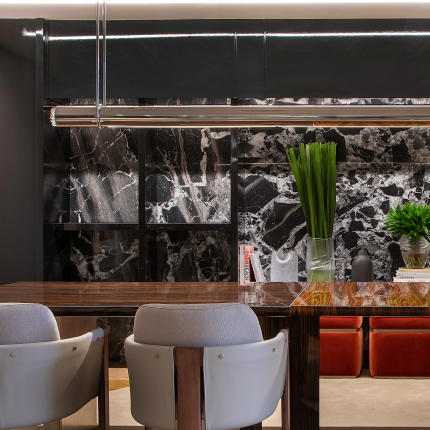
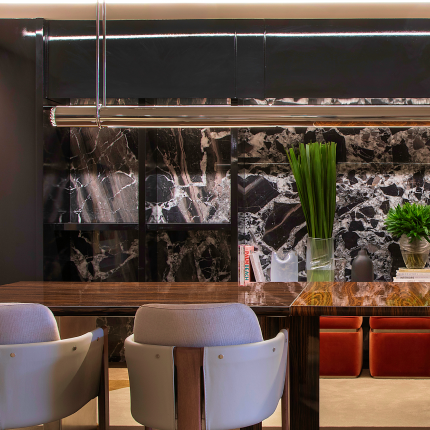
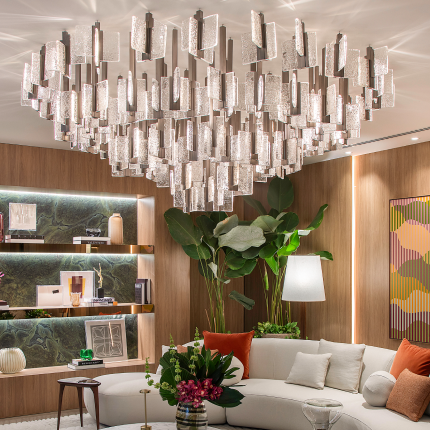
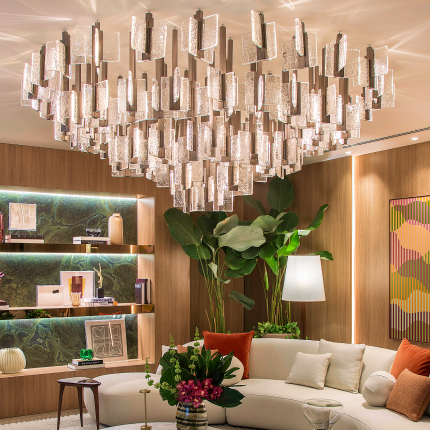
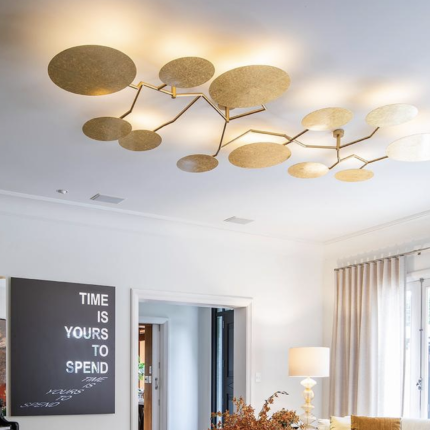
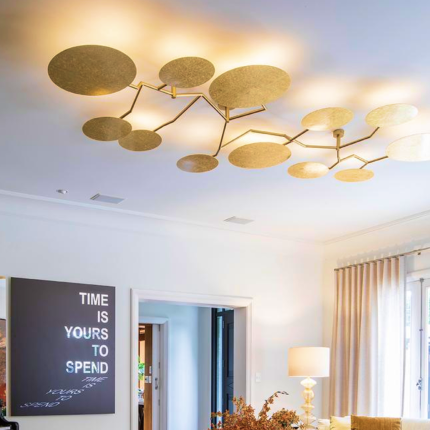

Geometry and emptiness: the ceiling gains rhythm without losing its lightness.
Light as Architecture: Forms That Transform the Environment
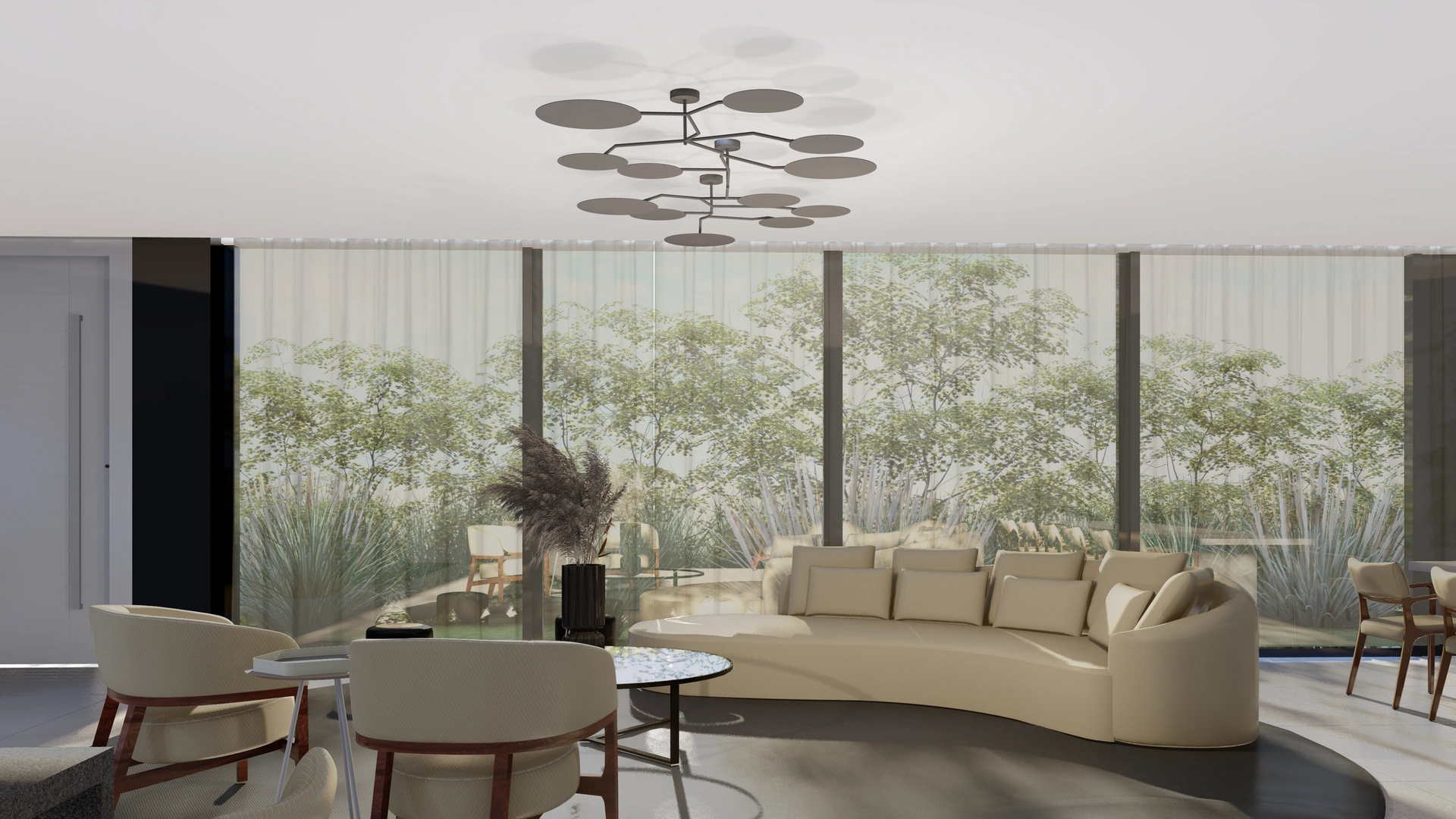
There comes a moment when light ceases to merely illuminate and begins to shape the space. It organizes planes, reveals textures, creates paths for the eye to follow, and alters our perception of scale. On the ceiling, this effect becomes even more pronounced: what normally serves as a backdrop becomes an active part of the architecture.
That is why a well-chosen light fixture isn’t simply added to the design at the very end. It is part of the composition from the very beginning, interacting with volumes, materials, furniture, and empty spaces. In this editorial feature, the Ohtake Ceiling Light drives the narrative and demonstrates how geometry, indirect lighting, and a sculptural presence can transform the atmosphere without overshadowing the surrounding architecture.
When light begins to shape space
In a well-designed space, lighting is not an isolated element. It defines hierarchies: it draws the eye to what should be embraced, highlights what deserves attention, and allows distinct areas to coexist within a single visual narrative. Diffused light can enhance the sense of continuity; a precise spotlight can establish rhythm; a sculptural light fixture can give the space its identity even when it is turned off.
The ceiling, often treated as a neutral surface, is one of the most expressive elements of this design. When it features a composition that plays with solids and voids, light and shadow, it begins to shape the experience of the space. The way one moves through the space changes with every angle, the materials reveal new nuances, and the light fixture ceases to be a mere accessory and becomes part of the architectural language.
The Ohtake Ceiling Light clearly embodies this idea. Designed by Ruy Ohtake for Scatto, the piece transforms the ceiling into a composition of rhythm, balance, and movement—a presence that gradually reveals itself as the observer moves through the space.
“When light, material, and proportion work together, the light fixture no longer simply occupies the space—it begins to organize it.”
The ceiling as the fifth plane
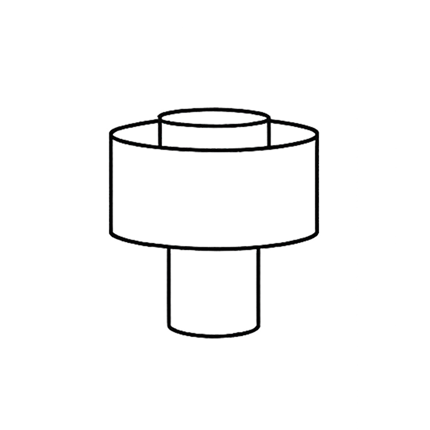
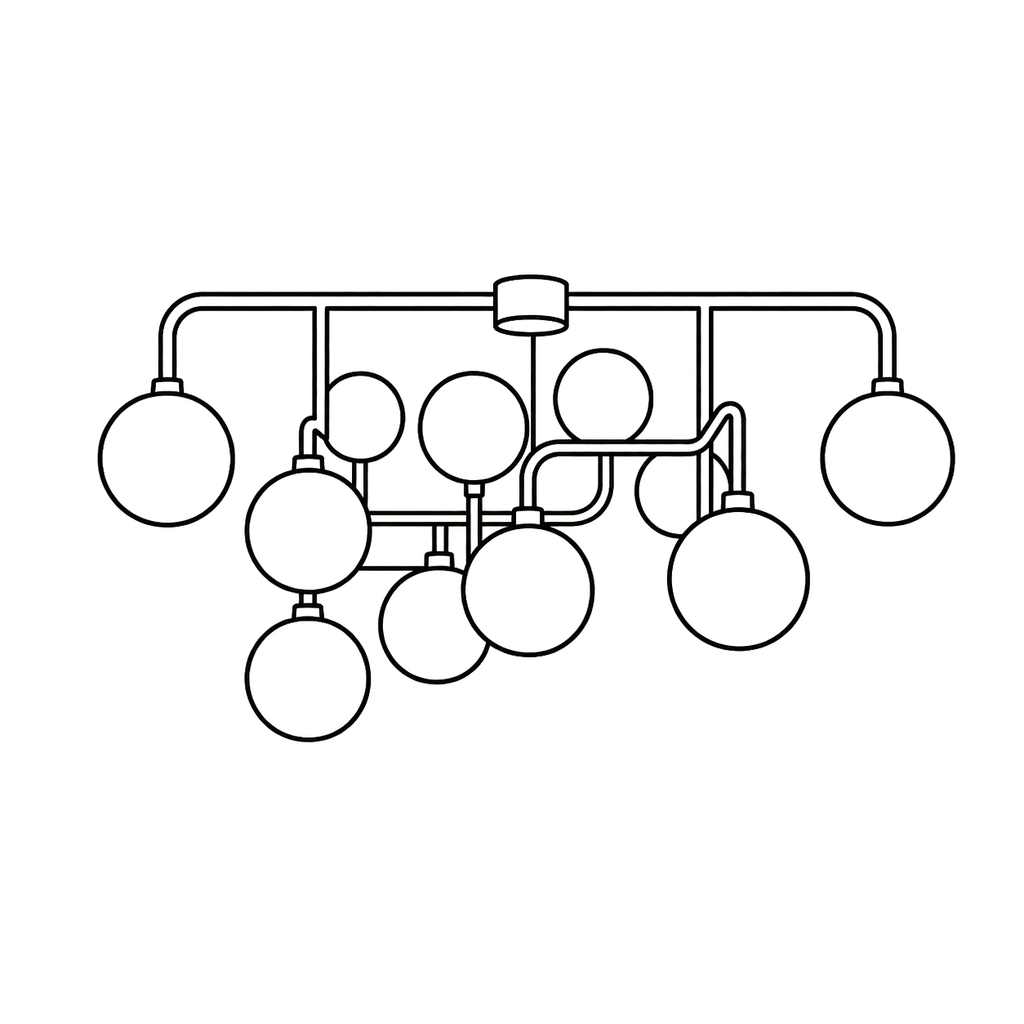
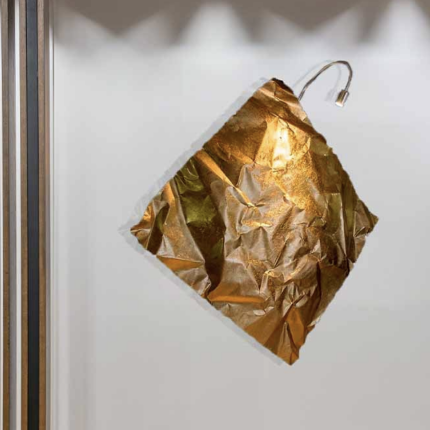
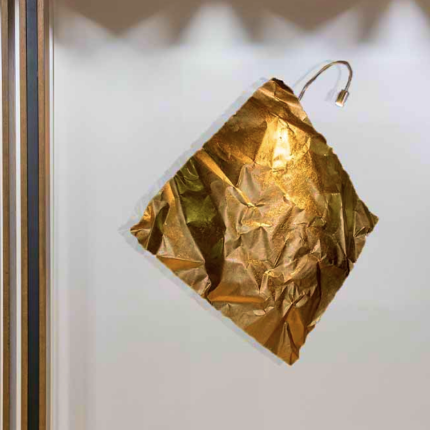
In the Ohtake Ceiling Fixture, metal discs of varying proportions are connected by delicate rods. The organic geometry distributes points of interest across the ceiling and creates the sensation of elements floating in space, balancing visual impact with architectural lightness.
Indirect lighting creates soft halos and highlights every aspect of the room. Instead of focusing all attention on a single point, the light spreads across the surface and adds depth. The beige Storm finish reinforces this contemporary aesthetic: it harmonizes the ceiling light with the architectural tones while preserving its own character.
This relationship between design and negative space allows the piece to interact with different contexts. In a living room, it can define the gathering area; in a dining room, it can complement the arrangement of the furniture without being confined to the outline of the table. The result stems less from the idea of filling the ceiling and more from a conscious choice of where to create rhythm, pause, and breathing room.

HISTORY
25 Years of Scatto
The composition follows the movement and changes depending on the viewpoint.
In the dining room, the indirect lighting transforms the ceiling into an active part of the scene.
Drag or use the arrow keys to navigate
Scale, rhythm, and breathing
1. Start by assessing the scale of the space.
Note the length, width, ceiling height, and distance between the main vantage points. A presence-sensing light fixture needs space to be fully visible; the empty space around it is part of the design.
2. Relate the piece to the furniture, without confining it to it.
Tables, sofas, and woodwork provide important focal points, but the best layout also takes into account traffic flow, doors, works of art, and continuity with adjacent spaces. The goal is to create a coherent visual flow, not just to center shapes.
3. Evaluate the scene both lit and unlit.
During the day, the material, finish, and proportions define the piece’s presence. At night, intensity, shadows, and reflections come into play. When these two perspectives complement each other, the lighting preserves visual quality at all times.
From Inspiration to Design: Continue Curating Scatto
If you’re starting your search by style, the Scatto ceiling light collection brings together different ways to design a ceiling. To search by atmosphere, explore the selections for contemporary spaces, living rooms, and dining rooms. Each approach allows you to compare proportions, design language, and visual impact within a real-world design context.
To explore more topics in this research area, see also:
Soho Ceiling Light → Maran Ceiling Light → Bárbaro Ceiling Light →
Rather than simply finding a single piece, the goal is to recognize how light can guide architecture. When scale, material, and intensity work together, the environment gains depth, the ceiling takes on character, and the light fixture becomes part of the space’s memory.
VISIT SCATTO
Scatto Showroom
Al. Gabriel Monteiro da Silva, 1909. São Paulo – SP – 01441-001
comercial@scatto.com.br (11) 3061-2262 WhatsApp (11) 91840-3063
Hours of Operation
Mon–Fri, 10 a.m. to 7 p.m. Saturday from 10 a.m. to 2 p.m.